IMPORTANT – CHARGING: USE ONLY A 5V – 1A USB POWER SUPPLY (SLOW CHARGE). DO NOT USE FAST CHARGERS OR WALL-MOUNTED USB SOCKETS. INCORRECT CHARGING MAY DAMAGE THE DEVICE. WE WILL NOT REPLACE DEVICES DAMAGED DUE TO INCORRECT USE.
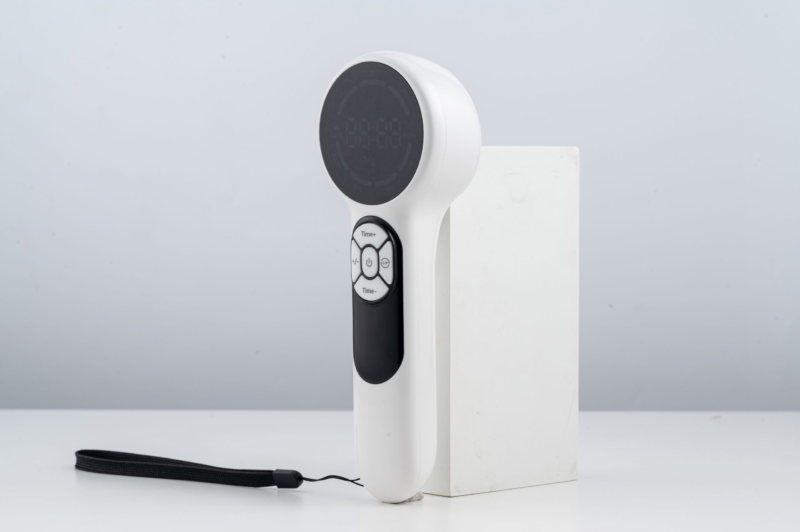
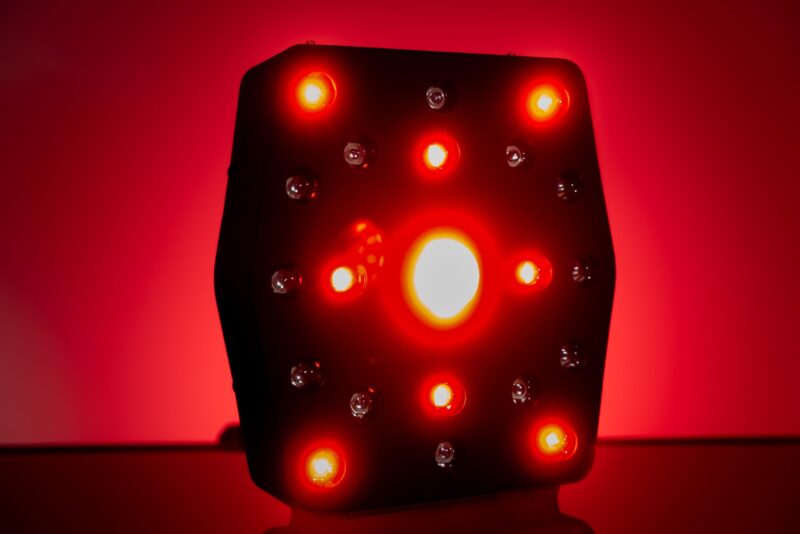
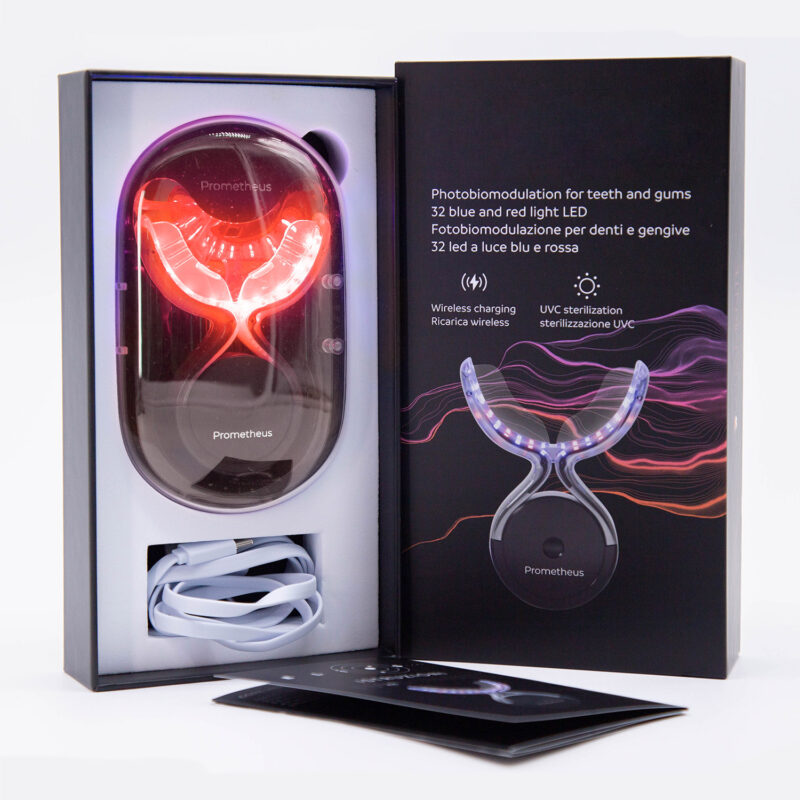
Advanced oral photobiomodulation system with dual action: blue light for teeth whitening and modulation of the oral microbiome; red light for reducing gum inflammation, improving gum health and reducing tooth sensitivity. Wireless charging in the new 3.0 version.
Recommended uses: Natural teeth whitening, deep oral hygiene, treatment of periodontitis and gingivitis, combating bad breath, reducing tooth sensitivity, gum tissue regeneration.
Suitable for: Advanced home use for advanced oral hygiene, those seeking natural whitening without peroxides, patients with periodontitis/gingivitis, dentists, dental hygienists.
Technical specifications::
- – LEDs: 32 LEDs in total (20 blue + 12 red)
- – Treatment modes::
- – Blue only: 15 minutes
- – Red only: 15 minutes
- – Blue + Red: 10 minutes
- – Functions: Blue light (whitening/antibacterial) + Red light (anti-inflammatory/regenerating)
- – Power supply: Kabelloses Laden (Version 3.0)
- – Certification: Clinically tested
Level: ⭐⭐ INTERMEDIATE
Recensioni verificate by trustpilot
The benefits of photobiomodulation
Anti-ageing
Polychromatic PBM is renowned for its rejuvenating effects. Although other colours also offer benefits for the skin, unlike other colours, red LED light (600–700 nm) and near-infrared light (760–1100 nm) penetrate the dermis and subcutaneous tissue and are primarily used for their anti-ageing effects and their ability to accelerate healing.
Pain and inflammation
Photobiomodulation therapy is successfully used in the treatment of acute and chronic inflammation and pain. Examples of acute and chronic conditions include:
distorsioni, mal di denti, herpes labiale, emicrania, cefalea cervicale, mal di schiena, sovraccarico muscolare e dolore alle radici nervose come la sciatica.
Sleep quality
Irradiation of the whole body, or even just the head, with red/near-infrared light has shown significant improvements in sleep patterns, particularly in sleep duration and quality, and an increase in the frequency of dreams.
Weight loss
In fact, either on their own or in combination with exercise and other strategies, PBM interventions appear to help initiate or counteract excess weight, as well as improve inflammation and the severity of diabetes, especially in cases where weight loss may previously have seemed a ‘lost’ battle, demonstrating that severe obesity and carefully tailored PBM lead to an improvement in body image and body composition.
Concentration
PBMT can stimulate various processes, thereby helping the brain to achieve better cognitive performance. PBMT has a neuroprotective effect and improves brain metabolism and oxygenation. PBMT can improve memory, cognitive function, mood and sleep quality. In degenerative brain disorders (dementia, Alzheimer’s disease and Parkinson’s disease), PBMT can improve motor, cognitive and social functions (at least for a certain period).
Muscle recovery
Exercise-induced oxidative stress has been a focus of research due to its link to fatigue processes, reduced muscle strength production and its ability to cause cellular damage. In this context, photobiomodulation therapy (PBMT) has emerged as a tool capable of enhancing performance whilst reducing fatigue and muscle damage.
The visible light spectrum
There are other phototherapy treatments, for example using visible blue/violet light, but we won’t go into those here.
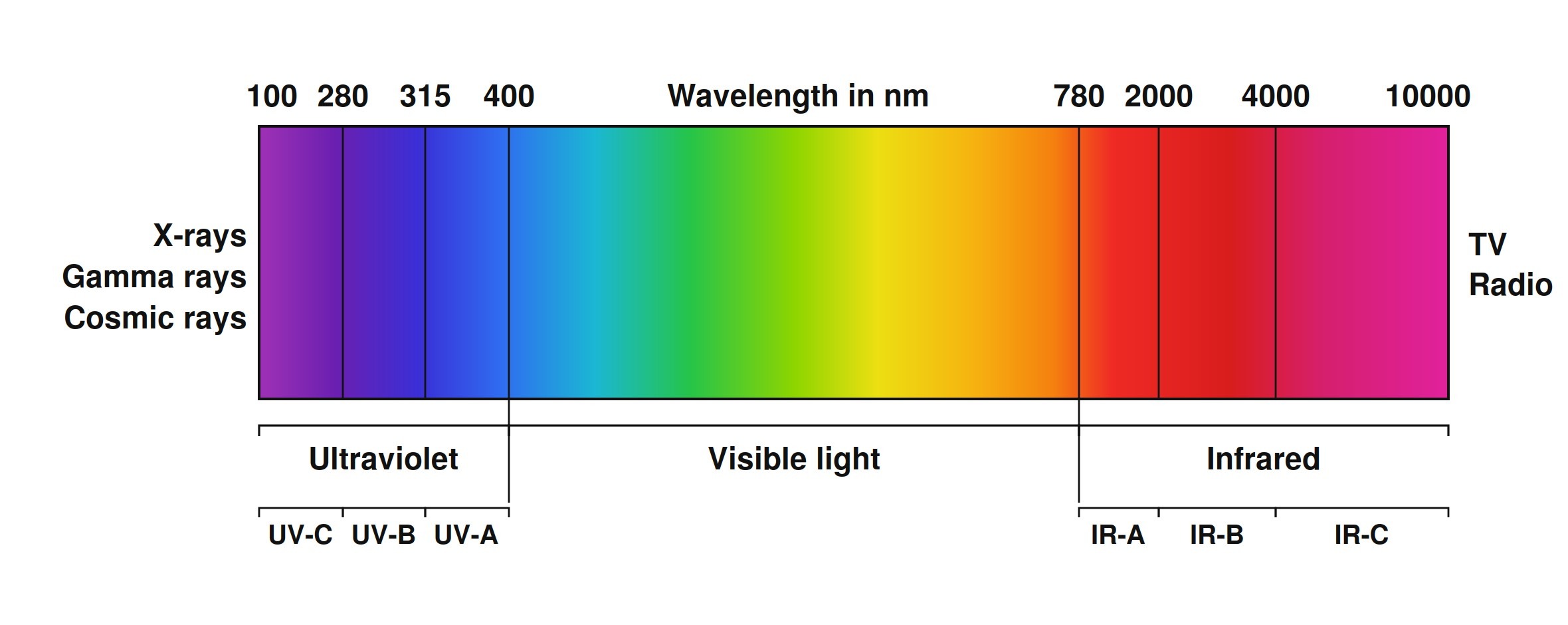
The other frequencies with shorter wavelengths are gamma rays and very high-energy X-rays, which do not pass through the atmosphere. These are also used for medical applications (for example, X-rays).
Frequencies with longer wavelengths include microwaves (microwave ovens) and radio frequencies.
It is immediately apparent that UV frequencies have significantly higher energy than red and infrared light.
THE SOLAR SPECTRUM has wavelengths ranging from 100 nm to 1 mm, of which:
Within the UV category, we have
– UVC: from 100 to 280 nm (mainly absorbed by the atmosphere and therefore reaching the Earth only in very limited quantities. They have applications in the field of disinfection. Their use has surged during the COVID-19 pandemic)
– UVB: from 280 to 315 nm (mainly absorbed by the atmosphere, although a portion, approximately 5%, reaches the Earth and enables the photosynthesis of Vitamin D in the skin and its perfect regulation)
– UVA: 315 to 400 nm (tanning and hormonal regulation, nitric oxide)
– Visible spectrum: 400 to 700 nm
- violet, indigo, blue 400 to 498 nm (photobiomodulation)
- green 498 to 565 nm
- yellow 566 to 590 nm
- orange 590 to 625 nm
- red 625 nm, visible up to 700 nm and extending to 740 nm (photobiomodulation)
- Infrared-A: 700 to 1400 nm (photobiomodulation)
- Infrared-B: 1400 to 3000 nm (photobiomodulation)
- Infrared-C: from 3000 nm to 1 mm (photobiomodulation, but only up to 4000 nm).
From a therapeutic perspective, all these wavelengths have essential metabolic functions that can only be perfectly regulated—like a symphony orchestra—through correct exposure to the sun.
UV PHOTOTHERAPY
Please note: a tanning lamp is not enough!!!!
These wavelengths differ from those used in sunbeds. Furthermore, the treatments are carefully calibrated to ensure that exposure remains well below the threshold for any possible development of erythema.
Narrowband UVB therapy is now the most common type of phototherapy available. Its predecessor, broadband UVB therapy, used wavelengths between 280 and 330 nanometres (nm), whereas narrowband therapy uses only light with a wavelength of 311 nm. In contrast, sunbeds use bulbs that typically emit 95% UVA light (320–400 nm) and 5% UVB (290–320 nm).
The 311 nm narrow-band UVB bulbs emit only a specific range of ultraviolet radiation, thus protecting the skin from excessive or more dangerous exposure. Narrow-band UVB light is also a more intensive treatment, allowing for longer treatment times, which ultimately produces better results with fewer treatment sessions.
A patient undergoing narrow-band UVB therapy will need to have their skin assessed by a dermatologist in order to establish a treatment plan. Phototherapy treatments are usually carried out 2–3 times a week. Treatments last from 1 minute to almost 10 minutes. The exact duration tends to increase over time, until a therapeutic effect is achieved.
Patients will protect their eyes and sensitive areas of skin during treatment. The treatments are well tolerated and usually painless. You may notice mild erythema or reddening of the skin. It is possible to get sunburnt from phototherapy if you do not follow the instructions very carefully. Phototherapy is an ideal option for patients with widespread disease or who have already tried topical or oral therapies with poor results.
If carried out correctly, respecting the times and distances appropriate for your skin type (remember that UV rays are high-energy frequencies and can cause damage if used in excess), it can offer the following benefits:
- Production of cutaneous calcitriol (immunomodulatory, antiproliferative and keratinocyte-differentiating effects) and Vitamin D metabolism, with benefits for skin conditions such as psoriasis and vitiligo
- Stimulation of melanocytes (repigmentation) in vitiligo
- T-lymphocyte apoptosis, < IL-1, IL-6, etc…
- Stimulation of ⍺-MSH (anti-inflammatory and antimicrobial effect) against fungi, harmful bacteria…
- Stimulation of collagenase mRNA (collagen)
- Treg modulation = < atherosclerosis (heart disease)
- Prevenzione infezioni: catelicidina LL-37 -> attività antimicrobica, < endotossinemia (previene e supporta la guarigione delle malattie infettive, anche il COVID-19)
- < pro-inflammatory cytokines = < systemic inflammation = < incidence of sclerosis, IBS, arthritis, etc…
- Modulates the microbiome better than a probiotic
- Reduced risk of cancer
- Reduced risk of CVD (regulation of blood pressure, blood flow, heart rate)
- NOS-independent NO production (nitric oxide and blood circulation).
- Hormonal regulation (better workouts, recovery…)
As you can see from the photo above, the electromagnetic spectrum is very broad. Phototherapy and photobiomodulation are light-based therapies and treatments ranging from UV to infrared. We are talking about wavelengths from 280 nm to a maximum of 4000 nm.
Visible light, i.e. the light we can see with the naked eye, has a very limited wavelength.


Marco Mannarini –
Arrived very quickly. It’s still too early to tell about the results