Rigenerati & ringiovanisci

con la più avanzata e potente terapia a luce rossa mai creata.

How does Red Light Therapy work?

We all need to recharge our batteries. When they run low, we can no longer function properly. The same applies to our cells: the more energy they have, the more active they are and the better able they are to carry out their tasks.

As early as 1996, NASA confirmed that red and near-infrared light act as a real charger for cells.

READ MORE

Our bestsellers

Glasses

RAINBOW BROWN

(2) 300,00  VAT included
Nuovo

Photobiomodulation

Asteroid 2.0

(3) 118,67  VAT included

Photobiomodulation

Prometheus

(1) 185,33  VAT included
Nuovo

Photobiomodulation

Orion Pulsar V3.0

(2) 646,67  VAT included

The red light spectrum

The spectrum in detail

480 nanometres

Blue light therapy is a branch of light therapy that is rapidly gaining recognition for some of its remarkable benefits, particularly when used in combination with red light and NIR therapy.


Blue light used with a photosensitising agent has been shown to be effective in treating actinic keratoses or precancerous lesions caused by sun damage. Treating a single actinic keratosis lesion can prevent skin cancer. This effective treatment targets only the diseased cells with minimal effect on the surrounding tissue.

Blue light therapy has come to the fore in skincare as an effective treatment for mild to moderate acne. Propionibacterium acnes, the bacterium that causes acne, releases a photosensitiser that makes the bacteria exceptionally sensitive to light and vulnerable to damage from specific wavelengths. 

Good circulation is essential for skin health and the healing of skin wounds. Blue light stimulates the release of nitric oxide (NO), a vasodilator that increases circulation to deliver oxygen, immune cells and nutrients to the treatment area. Combined with the antibacterial and anti-inflammatory properties of blue light, this effect can lead to faster wound healing and improved skin health.


630 Nanometres

The 630 nm wavelength is ideal for addressing all types of skin concerns.


In one study, the 630 nm wavelength was combined with other aesthetic treatments such as microneedling to achieve a statistically significant improvement in photodamage, fine lines and skin laxity.

Red light therapy at a wavelength of 630 nm has proven to be a safe and effective method for stimulating hair growth in both men and women.

It has also been shown that the 630 nm wavelength helps to reduce inflammation and skin rashes.


660 Nanometres

Penetrating slightly deeper than the 630 nm wavelength, the 660 nm wavelength reaches the full depth of the skin tissue to promote healing and regeneration.

It has been shown that the 660 nm wavelength, combined with the 830 nm wavelength, delays the onset of muscle fatigue and improves skeletal muscle performance. Athletes, take note!

In a study analysing the effects of red light therapy on pleurisy, it was found that the 660 nm wavelength induces an anti-inflammatory effect.

The 660 nm wavelength promotes the resorption and formation of bone cells around the site requiring repair, without causing any changes to the bone structure.

A study has shown that the 660 nm wavelength reduces both inflammation and swelling by reducing the number of inflammatory cells that lead to the formation of swelling.

A study on sciatic nerve pain in rats found that the 660 nm wavelength significantly helped to reduce pain.

It has been shown that the 660 nm wavelength increases the formation of new blood vessels and improves collagen deposition, promoting wound healing.

810 Nanometres

Thanks to its ability to penetrate the skull and reach the brain, the 810 nm wavelength offers a unique set of neurological benefits. Many forward-thinking scientists are convinced that light therapy for brain disorders will become a major medical treatment in the near future. The 810 nm wavelength offers the following benefits:


A study conducted on footballers demonstrated that the 810 nm wavelength, when applied before exercise, improved muscle performance and post-exercise recovery.

It has been shown that 810 nm wavelengths help to accelerate wound healing by promoting faster granulation of tissue.

A study conducted among stroke patients demonstrated that 810 nm wavelengths provide neuroprotective benefits and improve recovery in patients with moderate or severe stroke. Five days after the stroke, a significant improvement was recorded among those who had been treated with 810 nm light therapy, compared to those who had not. Ninety days after the stroke, 70% of treated patients had a positive outcome, compared to 51% in the control group.

810 nm has proven particularly effective in animal models in promoting recovery from traumatic brain injury and reducing long-term neurological damage.

It has long been recognised that drugs prescribed for psychiatric conditions have a limited ability to help those suffering from them. Furthermore, drugs often come with a range of unwanted side effects, whereas near-infrared light therapy does not. It has been shown that 810 nm wavelengths applied to the forehead help patients suffering from depression and anxiety.

Some studies have shown that the 810 nm wavelength can promote significant hair growth in patients with androgenetic alopecia.

830 Nanometres

The 830 nm wavelength is not absorbed as easily by the body, so it is able to penetrate deeper through the skin and tissues into the bone. With the 830 nm wavelength, a greater number of photons are delivered to the tissue. The inclusion of the 830 nm wavelength offers the following benefits:

Like the 810 nm wavelength, the 830 nm wavelength also accelerates the healing of wounds of varying severity and helps prevent infections.

Rapid exposure to 830 nm wavelengths following cosmetic surgery accelerates recovery, reduces downtime and improves surgical outcomes by reducing swelling, infection, bruising and pain, resulting in greater patient satisfaction.

Wavelengths of 830 nm increase the release of endorphins. Endorphins are peptides that promote a sense of well-being.

An animal study demonstrated that 830 nm light therapy improved bone repair by stimulating the growth of new bone tissue.

It has long been recognised that drugs prescribed for psychiatric conditions have a limited ability to help those suffering from them. Furthermore, pharmacotherapeutic drugs often come with a range of unwanted side effects, whereas near-infrared light therapy does not. It has been shown that 810 nm wavelengths applied to the forehead help patients suffering from major depression and anxiety.

The ability to return to play as quickly as possible after an injury or trauma is a key concern for any amateur or professional athlete. It has been shown that 830nm LED light therapy significantly and safely reduces the waiting time before injured athletes can return to play.

850 Nanometres

In many cases, the 850 nm wavelength enhances the benefits offered by the 810 nm and 830 nm wavelengths. This wavelength has a range of therapeutic applications, such as:


Wavelengths of 850 nm can help reduce joint and muscle pain and reduce general inflammation in the body.

A study examined the use of 850 nm wavelengths on athletes and found an increase in muscle mass following training, as well as a reduction in inflammation and oxidative stress in muscle biopsies.

Skin lesions heal more quickly when exposed to light therapy at a wavelength of 850 nm.

850 nm light can promote collagen production, helping to make the skin brighter and more even-toned.

The use of the 850 nm wavelength can promote rapid realignment of the teeth in patients undergoing orthodontic treatment.

The spectrum in detail

480 nanometres

Blue light therapy is a branch of light therapy that is rapidly gaining recognition for some of its remarkable benefits, particularly when used in combination with red light and NIR therapy.


Blue light used with a photosensitising agent has been shown to be effective in treating actinic keratoses or precancerous lesions caused by sun damage. Treating a single actinic keratosis lesion can prevent skin cancer. This effective treatment targets only the diseased cells with minimal effect on the surrounding tissue.

Blue light therapy has come to the fore in skincare as an effective treatment for mild to moderate acne. Propionibacterium acnes, the bacterium that causes acne, releases a photosensitiser that makes the bacteria exceptionally sensitive to light and vulnerable to damage from specific wavelengths. 

Good circulation is essential for skin health and the healing of skin wounds. Blue light stimulates the release of nitric oxide (NO), a vasodilator that increases circulation to deliver oxygen, immune cells and nutrients to the treatment area. Combined with the antibacterial and anti-inflammatory properties of blue light, this effect can lead to faster wound healing and improved skin health.

630 Nanometres

The 630 nm wavelength is ideal for addressing all types of skin concerns.


In one study, the 630 nm wavelength was combined with other aesthetic treatments such as microneedling to achieve a statistically significant improvement in photodamage, fine lines and skin laxity.

Red light therapy at a wavelength of 630 nm has proven to be a safe and effective method for stimulating hair growth in both men and women.

It has also been shown that the 630 nm wavelength helps to reduce inflammation and skin rashes.

660 Nanometres

Penetrating slightly deeper than the 630 nm wavelength, the 660 nm wavelength reaches the full depth of the skin tissue to promote healing and regeneration.

It has been shown that the 660 nm wavelength, combined with the 830 nm wavelength, delays the onset of muscle fatigue and improves skeletal muscle performance. Athletes, take note!

In a study analysing the effects of red light therapy on pleurisy, it was found that the 660 nm wavelength induces an anti-inflammatory effect.

The 660 nm wavelength promotes the resorption and formation of bone cells around the site requiring repair, without causing any changes to the bone structure.

A study has shown that the 660 nm wavelength reduces both inflammation and swelling by reducing the number of inflammatory cells that lead to the formation of swelling.

A study on sciatic nerve pain in rats found that the 660 nm wavelength significantly helped to reduce pain.

It has been shown that the 660 nm wavelength increases the formation of new blood vessels and improves collagen deposition, promoting wound healing.

810 Nanometres

Thanks to its ability to penetrate the skull and reach the brain, the 810 nm wavelength offers a unique set of neurological benefits. Many forward-thinking scientists are convinced that light therapy for brain disorders will become a major medical treatment in the near future. The 810 nm wavelength offers the following benefits:


A study conducted on footballers demonstrated that the 810 nm wavelength, when applied before exercise, improved muscle performance and post-exercise recovery.

It has been shown that 810 nm wavelengths help to accelerate wound healing by promoting faster granulation of tissue.

A study conducted among stroke patients demonstrated that 810 nm wavelengths provide neuroprotective benefits and improve recovery in patients with moderate or severe stroke. Five days after the stroke, a significant improvement was recorded among those who had been treated with 810 nm light therapy, compared to those who had not. Ninety days after the stroke, 70% of treated patients had a positive outcome, compared to 51% in the control group.

810 nm has proven particularly effective in animal models in promoting recovery from traumatic brain injury and reducing long-term neurological damage.

It has long been recognised that drugs prescribed for psychiatric conditions have a limited ability to help those suffering from them. Furthermore, drugs often come with a range of unwanted side effects, whereas near-infrared light therapy does not. It has been shown that 810 nm wavelengths applied to the forehead help patients suffering from depression and anxiety.

Some studies have shown that the 810 nm wavelength can promote significant hair growth in patients with androgenetic alopecia.

830 Nanometres

The 830 nm wavelength is not absorbed as easily by the body, so it is able to penetrate deeper through the skin and tissues into the bone. With the 830 nm wavelength, a greater number of photons are delivered to the tissue. The inclusion of the 830 nm wavelength offers the following benefits:

Like the 810 nm wavelength, the 830 nm wavelength also accelerates the healing of wounds of varying severity and helps prevent infections.

Rapid exposure to 830 nm wavelengths following cosmetic surgery accelerates recovery, reduces downtime and improves surgical outcomes by reducing swelling, infection, bruising and pain, resulting in greater patient satisfaction.

Wavelengths of 830 nm increase the release of endorphins. Endorphins are peptides that promote a sense of well-being.

An animal study demonstrated that 830 nm light therapy improved bone repair by stimulating the growth of new bone tissue.

It has long been recognised that drugs prescribed for psychiatric conditions have a limited ability to help those suffering from them. Furthermore, pharmacotherapeutic drugs often come with a range of unwanted side effects, whereas near-infrared light therapy does not. It has been shown that 810 nm wavelengths applied to the forehead help patients suffering from major depression and anxiety.

The ability to return to play as quickly as possible after an injury or trauma is a key concern for any amateur or professional athlete. It has been shown that 830nm LED light therapy significantly and safely reduces the waiting time before injured athletes can return to play.

850 Nanometres

In many cases, the 850 nm wavelength enhances the benefits offered by the 810 nm and 830 nm wavelengths. This wavelength has a range of therapeutic applications, such as:


Wavelengths of 850 nm can help reduce joint and muscle pain and reduce general inflammation in the body.

A study examined the use of 850 nm wavelengths on athletes and found an increase in muscle mass following training, as well as a reduction in inflammation and oxidative stress in muscle biopsies.

Skin lesions heal more quickly when exposed to light therapy at a wavelength of 850 nm.

850 nm light can promote collagen production, helping to make the skin brighter and more even-toned.

The use of the 850 nm wavelength can promote rapid realignment of the teeth in patients undergoing orthodontic treatment.

Browse our products

Photobiomodulation

A...

118,67  VAT included

Photobiomodulation

P...

185,33  VAT included

Photobiomodulation

O...

646,67  VAT included

Photobiomodulation

...

740,00  VAT included

Photobiomodulation

...

640,00  VAT included
the products

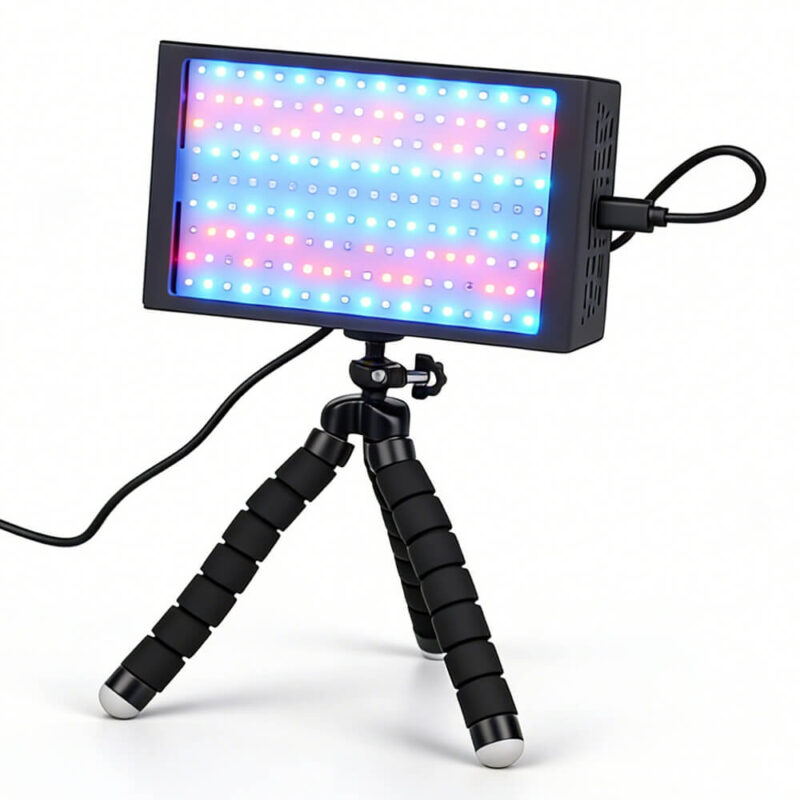
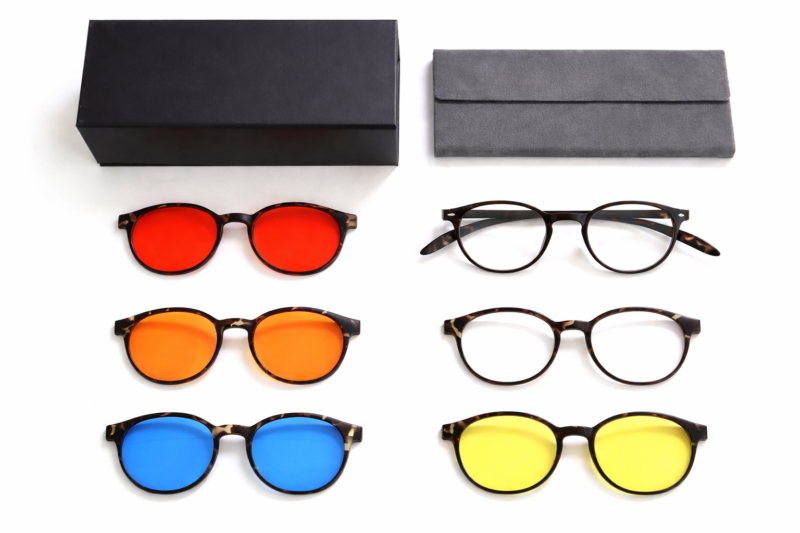
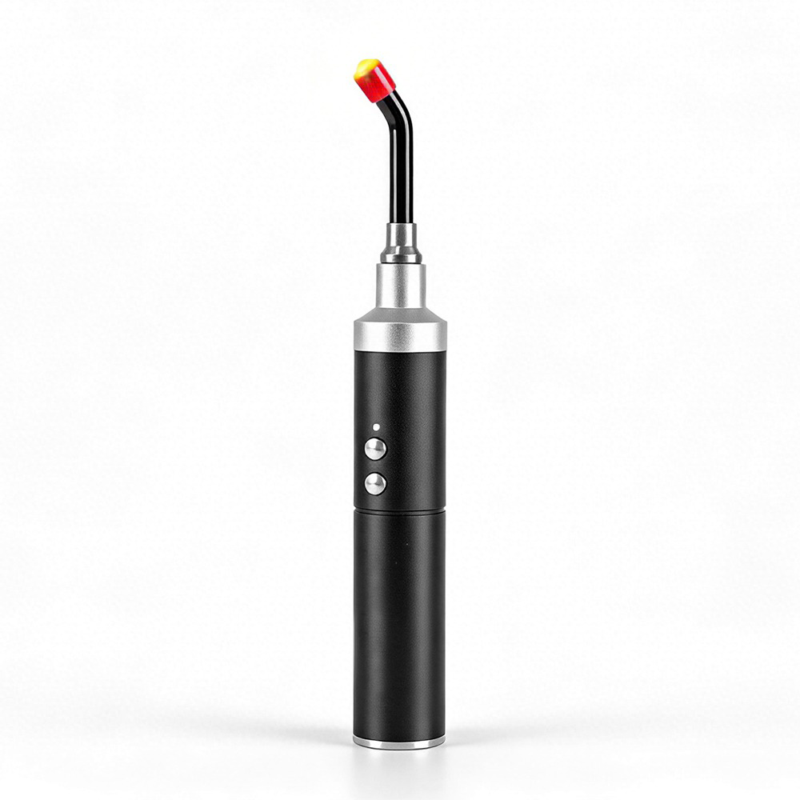
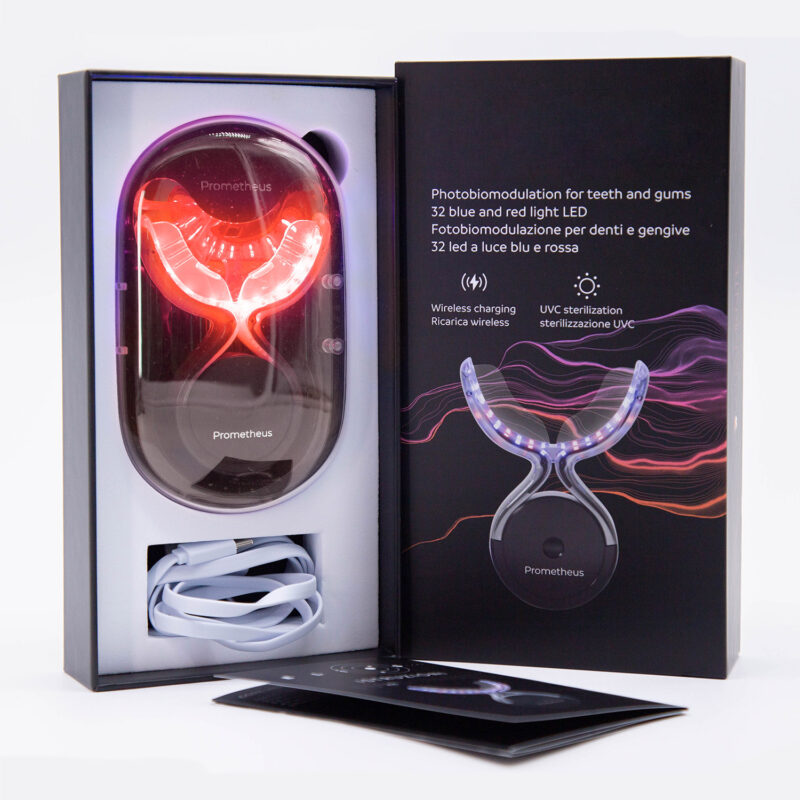
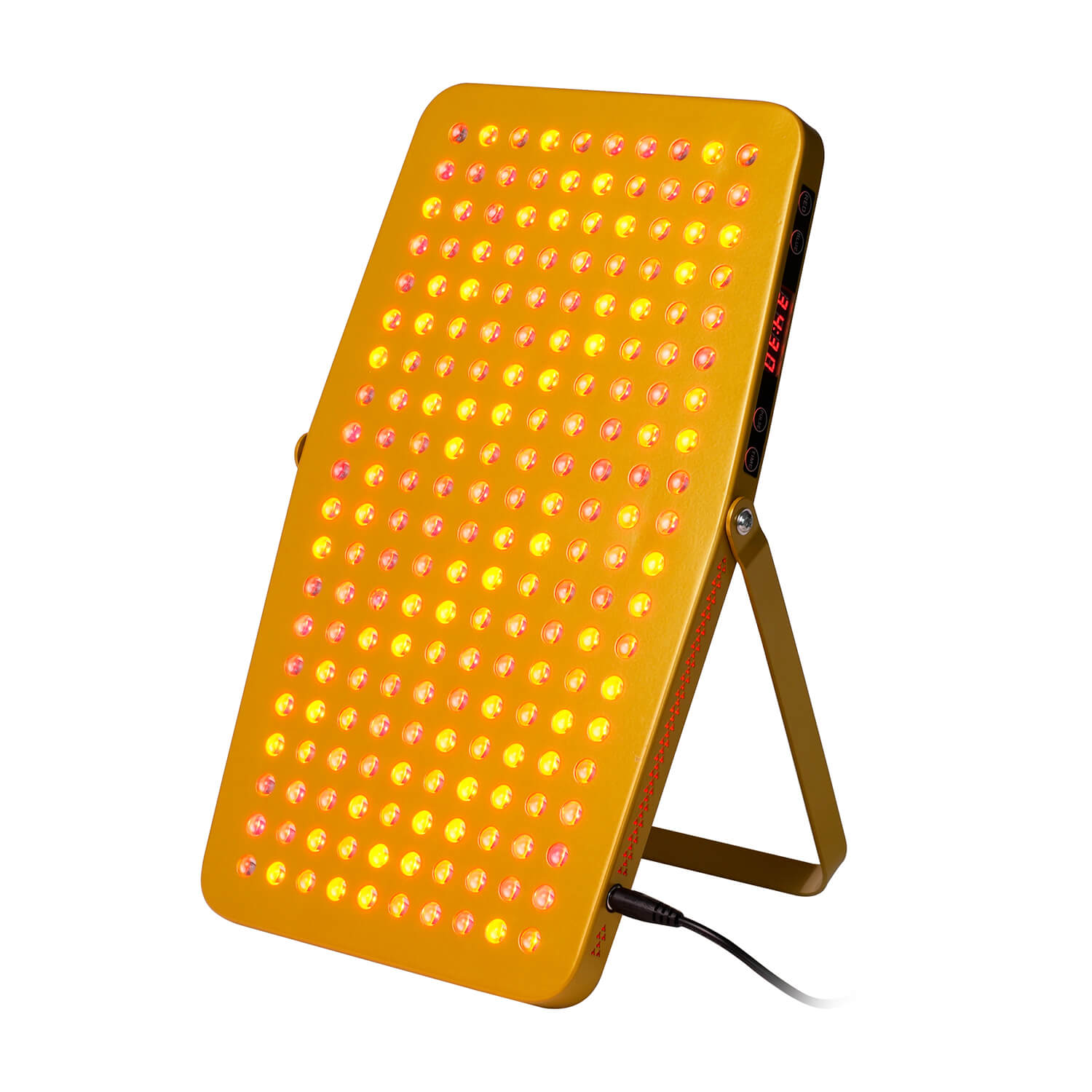
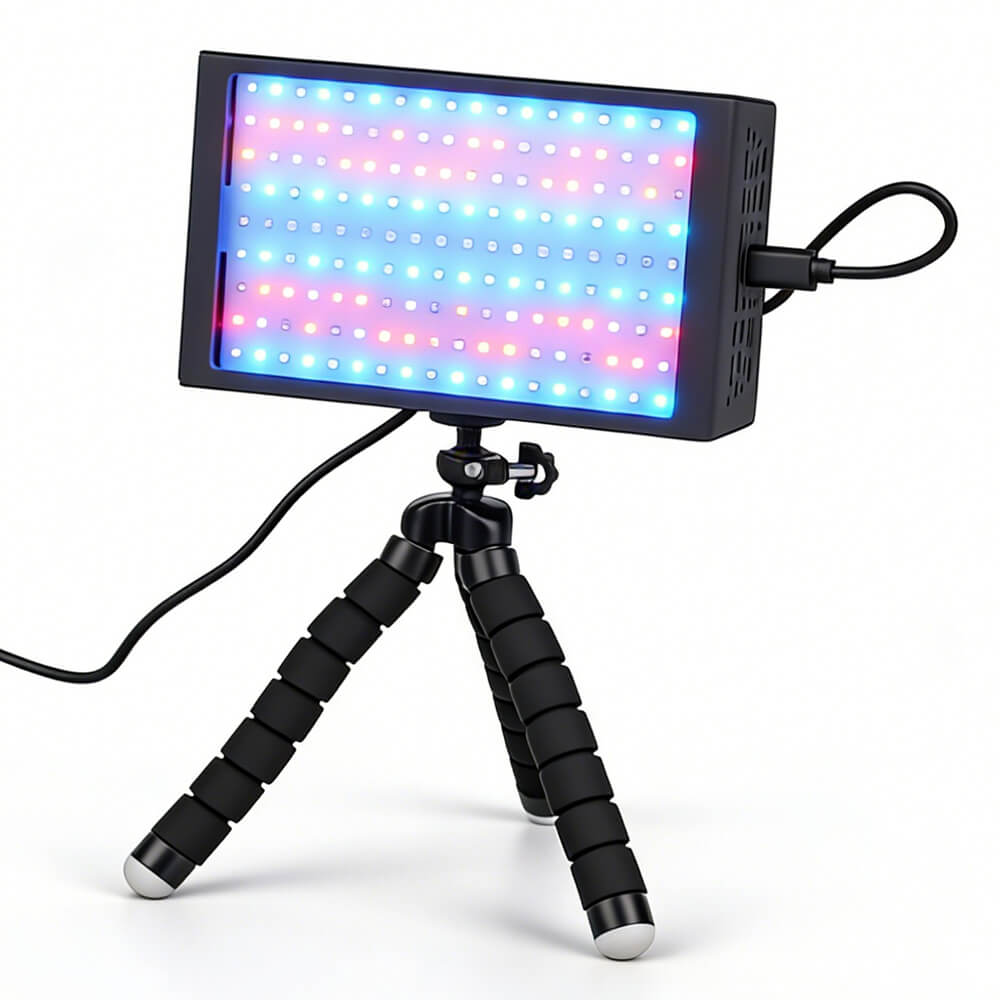
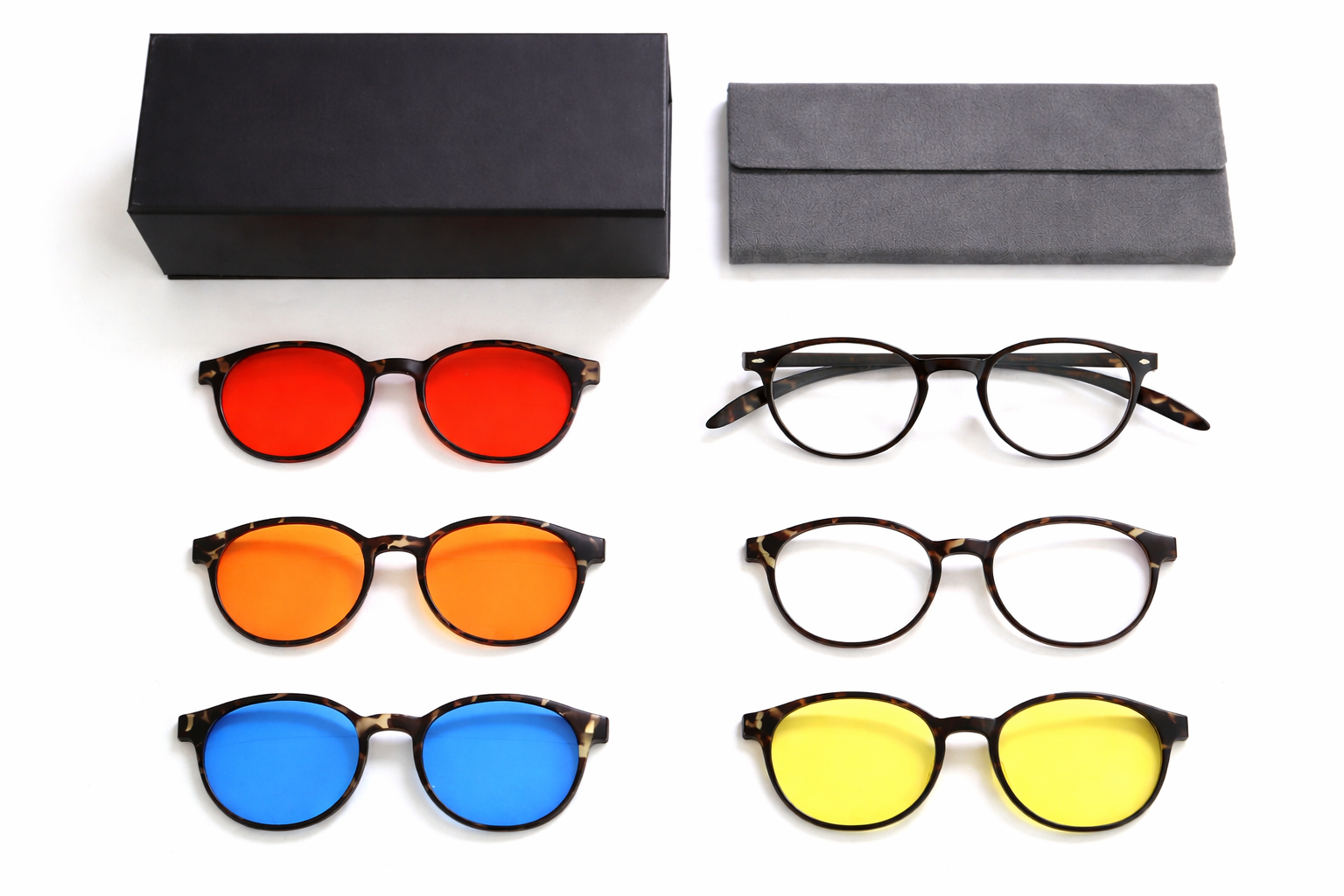
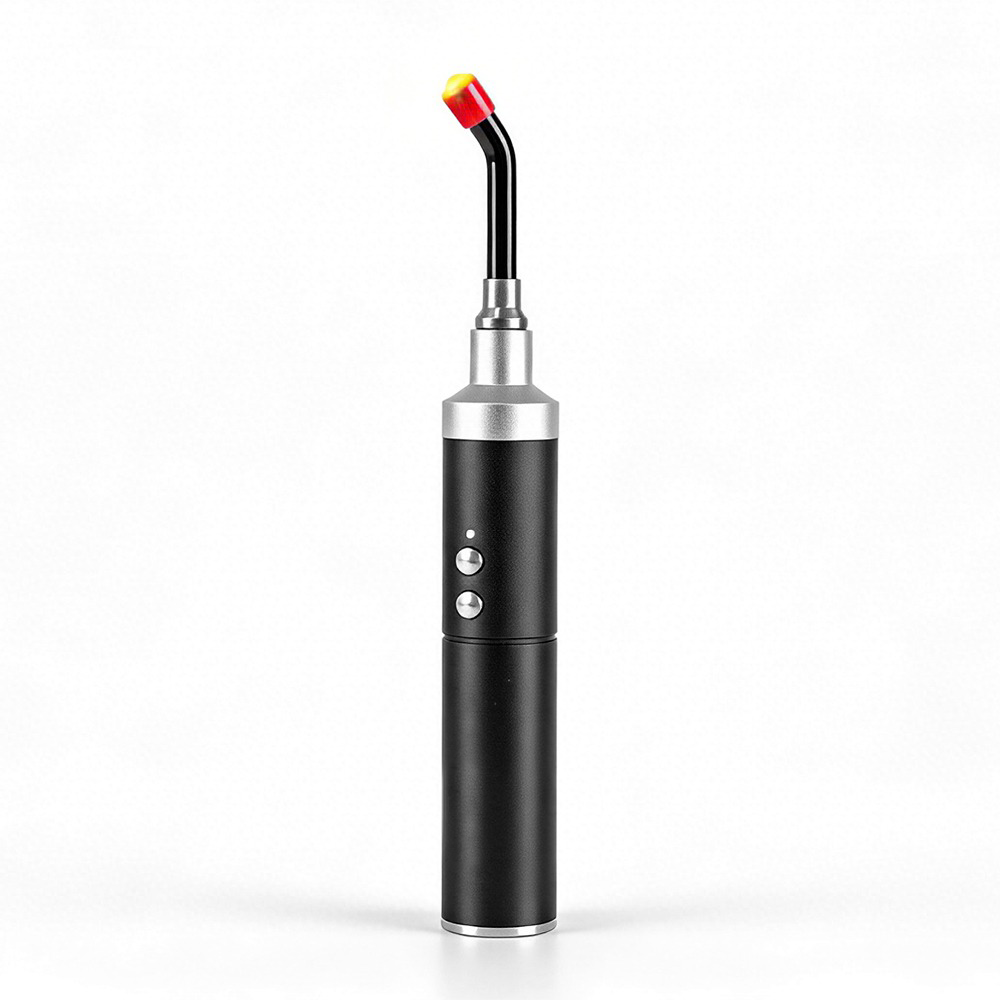
Discover our products to start feeling better, including both our glasses and our photobiomodulation and phototherapy lamps.

Discover them now

Click on the plus signs (+) to discover the benefits

Discover how red light will help your body heal faster

La terapia con luce rossa stimola naturalmente la produzione di ATP (adenosina trifosfato) da parte del corpo, un elemento chiave nella rigenerazione cellulare. È stato identificato come un ottimo modo per favorire una guarigione più rapida, potenziare il sistema immunitario, combattere l’invecchiamento, migliorare l’umore, recuperare i muscoli e molto altro ancora.

I benefici della fotobiomodulazione

I benefici della fotobiomodulazione

The visible light spectrum

As you can see from the photo above, the electromagnetic spectrum is very broad. Phototherapy and photobiomodulation are light-based therapies and treatments ranging from UV to infrared. We are talking about wavelengths from 280 nm to a maximum of 4000 nm.
Visible light, i.e. the light we can see with the naked eye, has a very limited wavelength.

There are other phototherapy treatments, for example using visible blue/violet light, but we won’t go into those here.

The other frequencies with shorter wavelengths are gamma rays and very high-energy X-rays, which do not pass through the atmosphere. These are also used for medical applications (for example, X-rays).

Frequencies with longer wavelengths include microwaves (microwave ovens) and radio frequencies.

It is immediately apparent that UV frequencies have significantly higher energy than red and infrared light.

THE SOLAR SPECTRUM has wavelengths ranging from 100 nm to 1 mm, of which:

Within the UV category, we have

– UVC: from 100 to 280 nm (mainly absorbed by the atmosphere and therefore reaching the Earth only in very limited quantities. They have applications in the field of disinfection. Their use has surged during the COVID-19 pandemic)

– UVB: from 280 to 315 nm (mainly absorbed by the atmosphere, although a portion, approximately 5%, reaches the Earth and enables the photosynthesis of Vitamin D in the skin and its perfect regulation)

– UVA: 315 to 400 nm (tanning and hormonal regulation, nitric oxide)

– Visible spectrum: 400 to 700 nm

  • violet, indigo, blue 400 to 498 nm (photobiomodulation)
  • green 498 to 565 nm 
  • yellow 566 to 590 nm
  • orange 590 to 625 nm
  • red 625 nm, visible up to 700 nm and extending to 740 nm (photobiomodulation)
  • Infrared-A: 700 to 1400 nm (photobiomodulation)
  • Infrared-B: 1400 to 3000 nm (photobiomodulation)
  • Infrared-C: from 3000 nm to 1 mm (photobiomodulation, but only up to 4000 nm).

From a therapeutic perspective, all these wavelengths have essential metabolic functions that can only be perfectly regulated—like a symphony orchestra—through correct exposure to the sun.

UV PHOTOTHERAPY

Please note: a tanning lamp is not enough!!!!

These wavelengths differ from those used in sunbeds. Furthermore, the treatments are carefully calibrated to ensure that exposure remains well below the threshold for any possible development of erythema.

Narrowband UVB therapy is now the most common type of phototherapy available. Its predecessor, broadband UVB therapy, used wavelengths between 280 and 330 nanometres (nm), whereas narrowband therapy uses only light with a wavelength of 311 nm. In contrast, sunbeds use bulbs that typically emit 95% UVA light (320–400 nm) and 5% UVB (290–320 nm).

The 311 nm narrow-band UVB bulbs emit only a specific range of ultraviolet radiation, thus protecting the skin from excessive or more dangerous exposure. Narrow-band UVB light is also a more intensive treatment, allowing for longer treatment times, which ultimately produces better results with fewer treatment sessions.

A patient undergoing narrow-band UVB therapy will need to have their skin assessed by a dermatologist in order to establish a treatment plan. Phototherapy treatments are usually carried out 2–3 times a week. Treatments last from 1 minute to almost 10 minutes. The exact duration tends to increase over time, until a therapeutic effect is achieved.

Patients will protect their eyes and sensitive areas of skin during treatment. The treatments are well tolerated and usually painless. You may notice mild erythema or reddening of the skin. It is possible to get sunburnt from phototherapy if you do not follow the instructions very carefully. Phototherapy is an ideal option for patients with widespread disease or who have already tried topical or oral therapies with poor results.

If carried out correctly, respecting the times and distances appropriate for your skin type (remember that UV rays are high-energy frequencies and can cause damage if used in excess), it can offer the following benefits:

  • Production of cutaneous calcitriol (immunomodulatory, antiproliferative and keratinocyte-differentiating effects) and Vitamin D metabolism, with benefits for skin conditions such as psoriasis and vitiligo
  • Stimulation of melanocytes (repigmentation) in vitiligo
  • T-lymphocyte apoptosis, < IL-1, IL-6, etc…
  • Stimulation of ⍺-MSH (anti-inflammatory and antimicrobial effect) against fungi, harmful bacteria…
  • Stimulation of collagenase mRNA (collagen)
  • Treg modulation = < atherosclerosis (heart disease)
  • Prevenzione infezioni: catelicidina LL-37 -> attività antimicrobica, < endotossinemia (previene e supporta la guarigione delle malattie infettive, anche il COVID-19)
  • < pro-inflammatory cytokines = < systemic inflammation = < incidence of sclerosis, IBS, arthritis, etc…
  • Modulates the microbiome better than a probiotic
  • Reduced risk of cancer
  • Reduced risk of CVD (regulation of blood pressure, blood flow, heart rate)
  • NOS-independent NO production (nitric oxide and blood circulation).
  • Hormonal regulation (better workouts, recovery…)

Sign up for the newsletter

You will be entitled to receive free studies, in-depth articles and promotions from Red Therapy and its partners.

(Required)

É tempo…
di stare meglio

L’energia luminosa utilizzata nella PBMT viene assorbita dalle cellule, innescando una serie di reazioni biochimiche che migliorano la funzione cellulare e la guarigione dei tessuti. Per questo motivo, può essere applicata a vari tessuti del corpo, tra cui la pelle, i muscoli, le articolazioni e gli organi per ridurre l’infiammazione, promuovere la riparazione dei tessuti e ridurre il dolore

accedi allo shop