
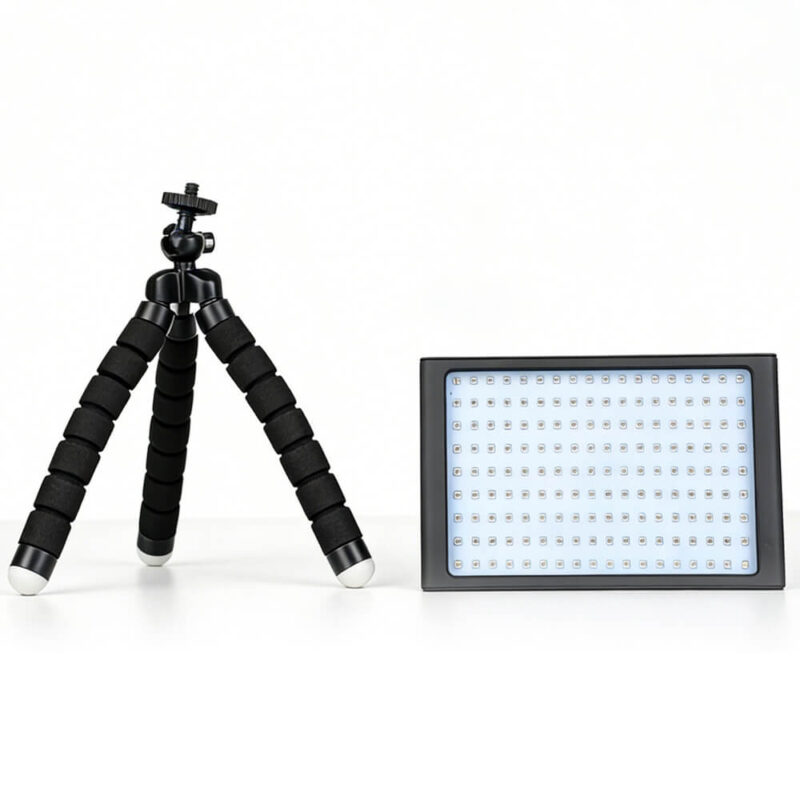
THEA
Natural light for your desk
The LED lamp on your desk illuminates your workspace – but its light spectrum differs significantly from natural light.
Conventional LED lamps produce a limited spectrum that can lack certain wavelengths found in natural light – particularly in the 380 to 480 nm range (violet, indigo and cyan). Light in this range plays a role in stimulating non-visual photoreceptors, which are involved, among other things, in regulating our internal body clock and alertness.
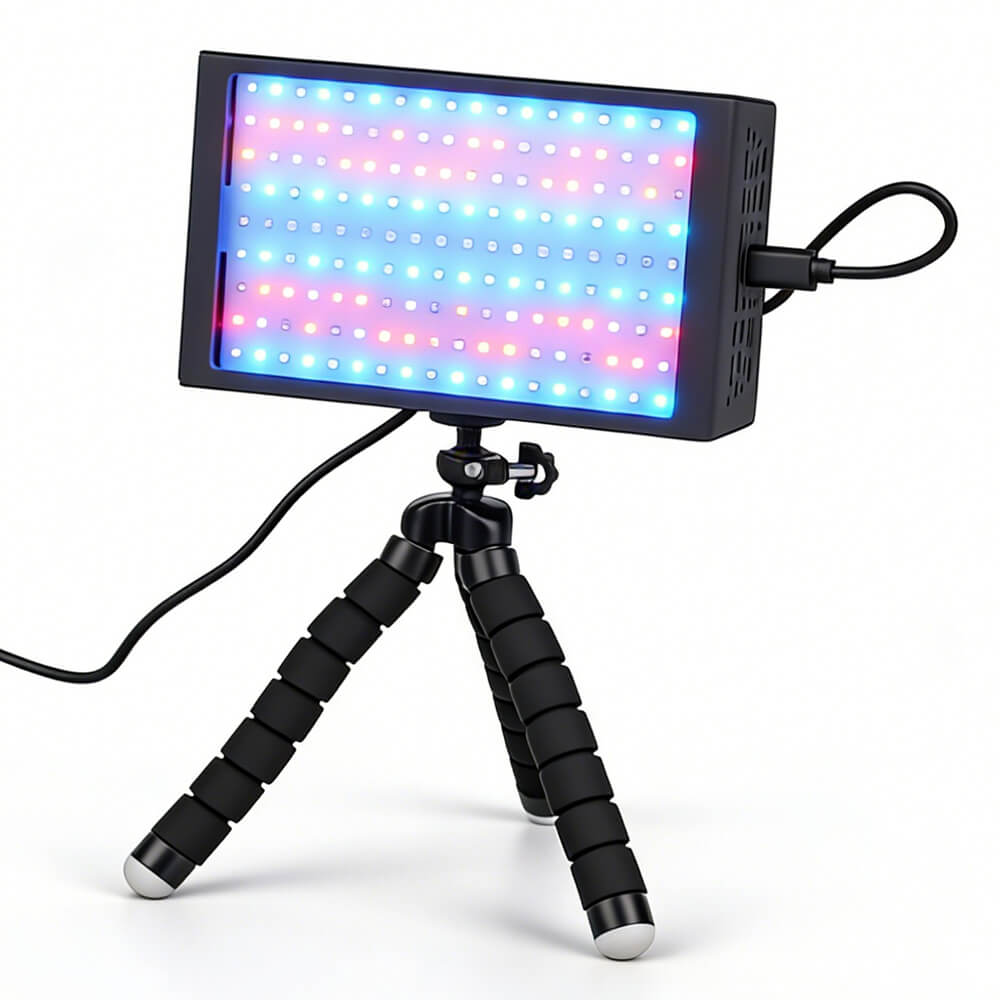
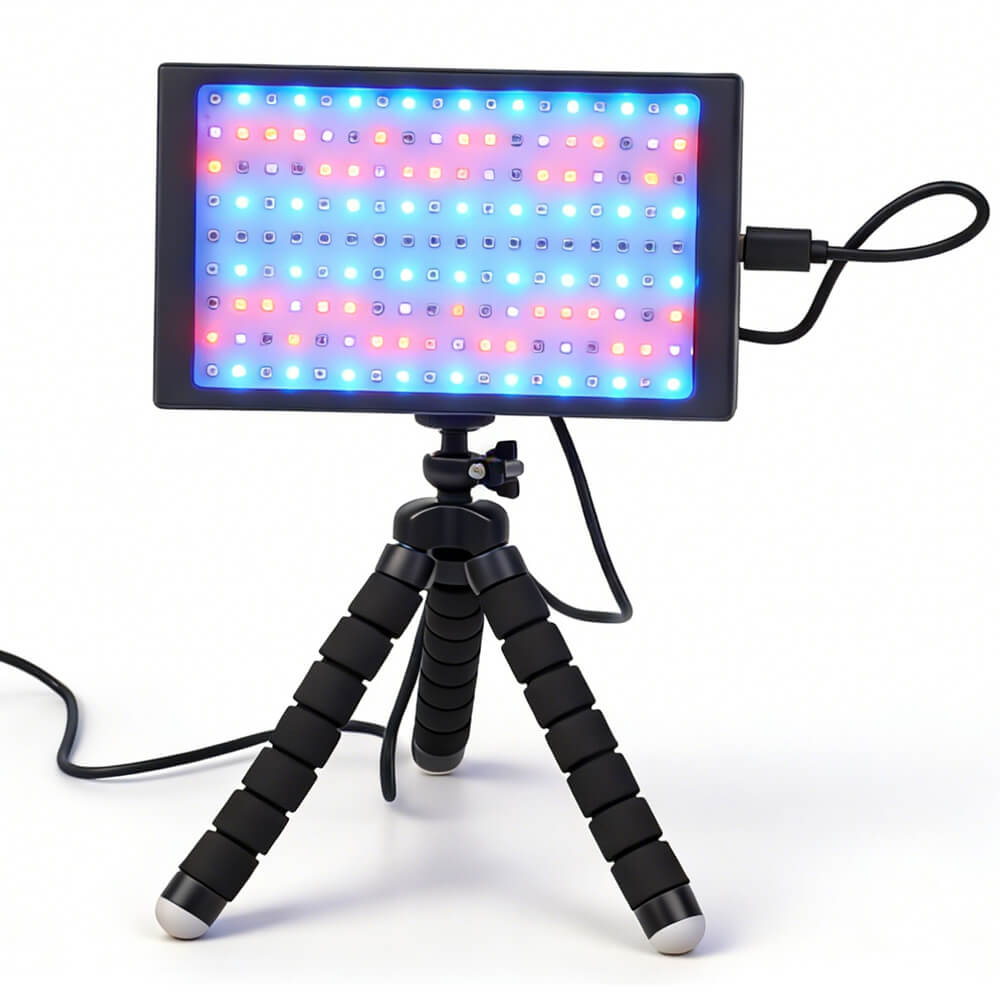
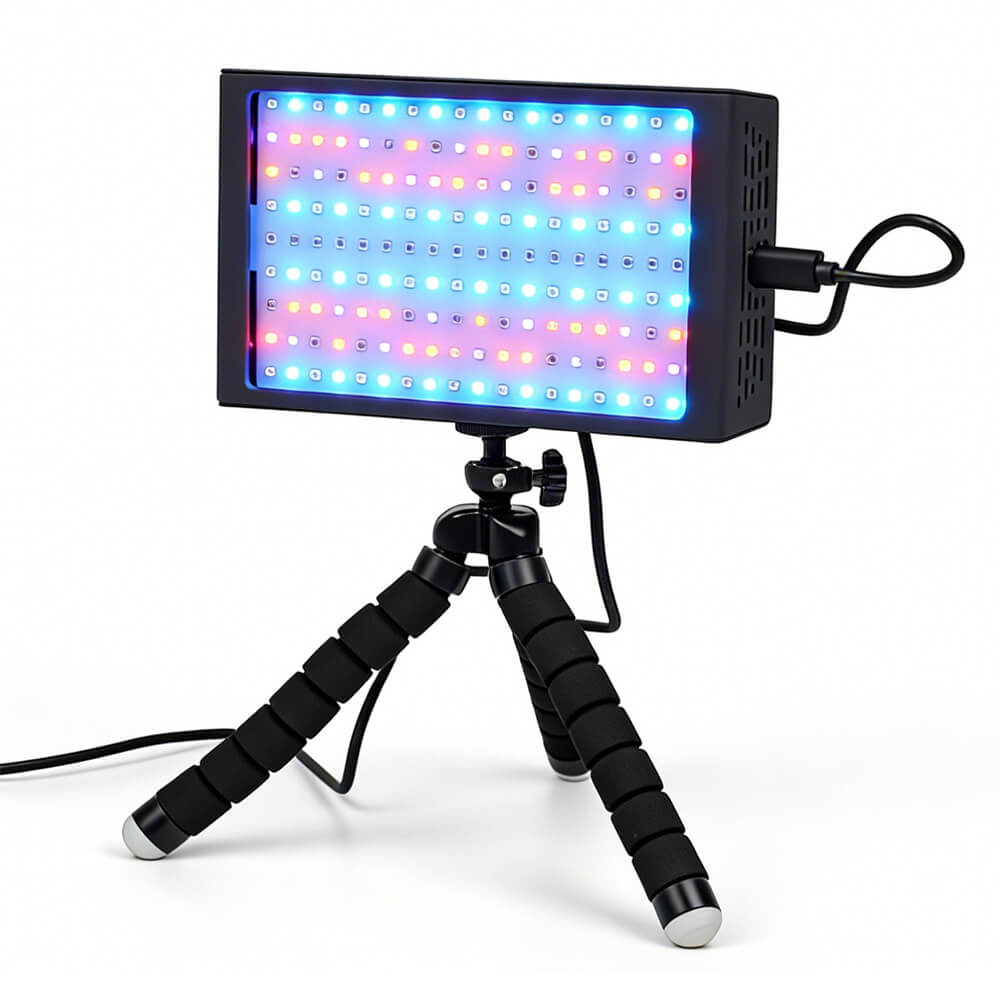
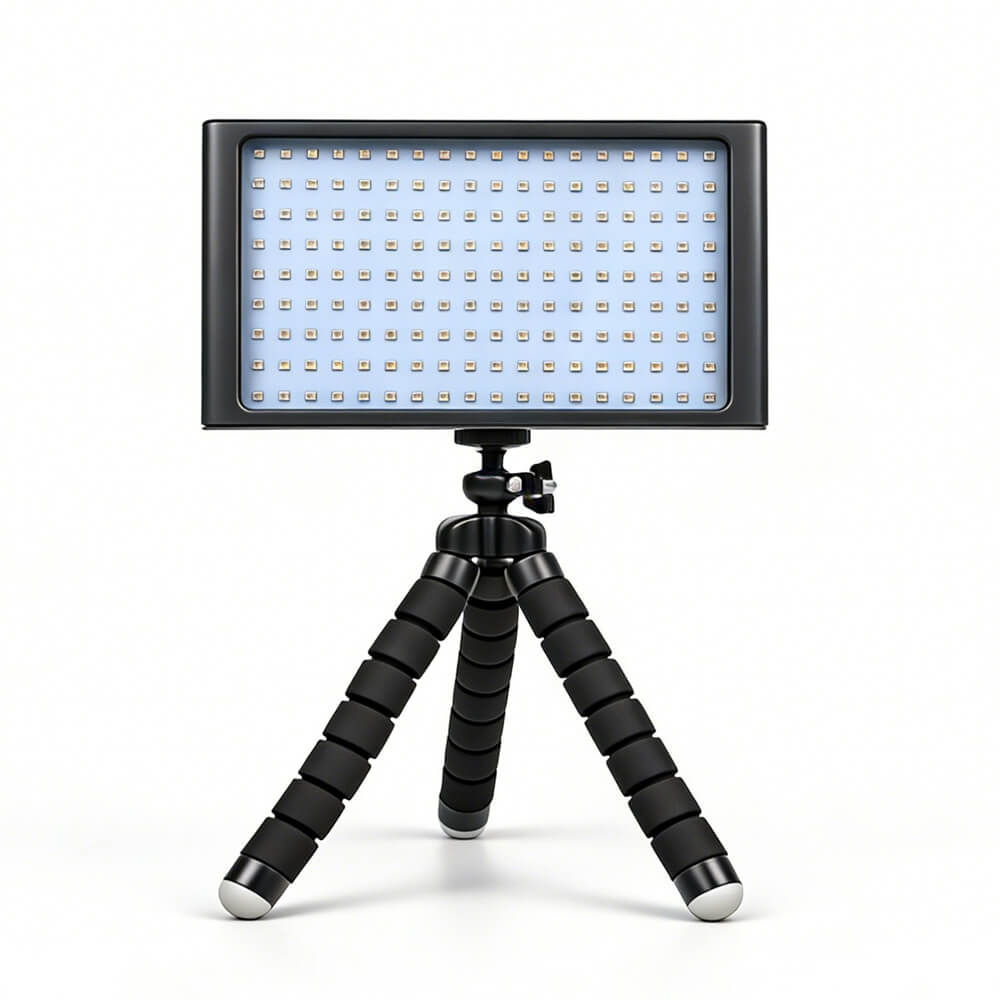
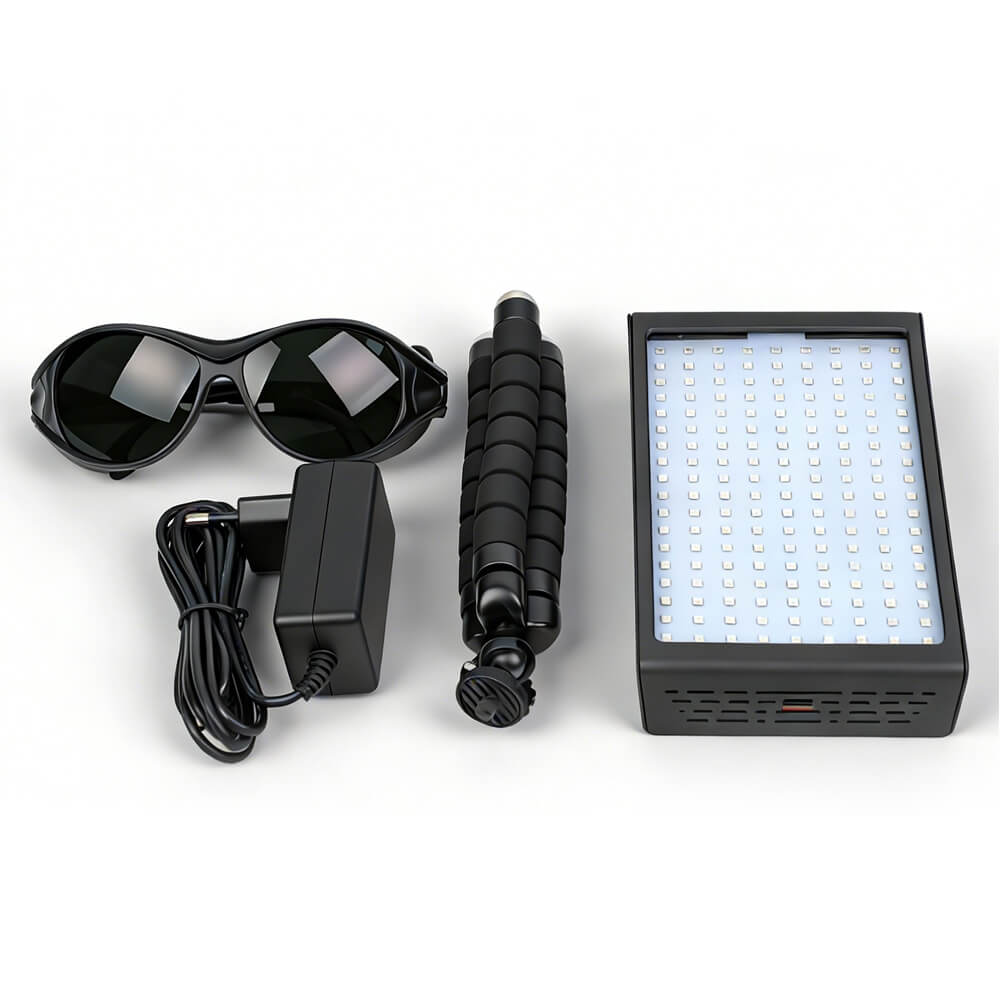
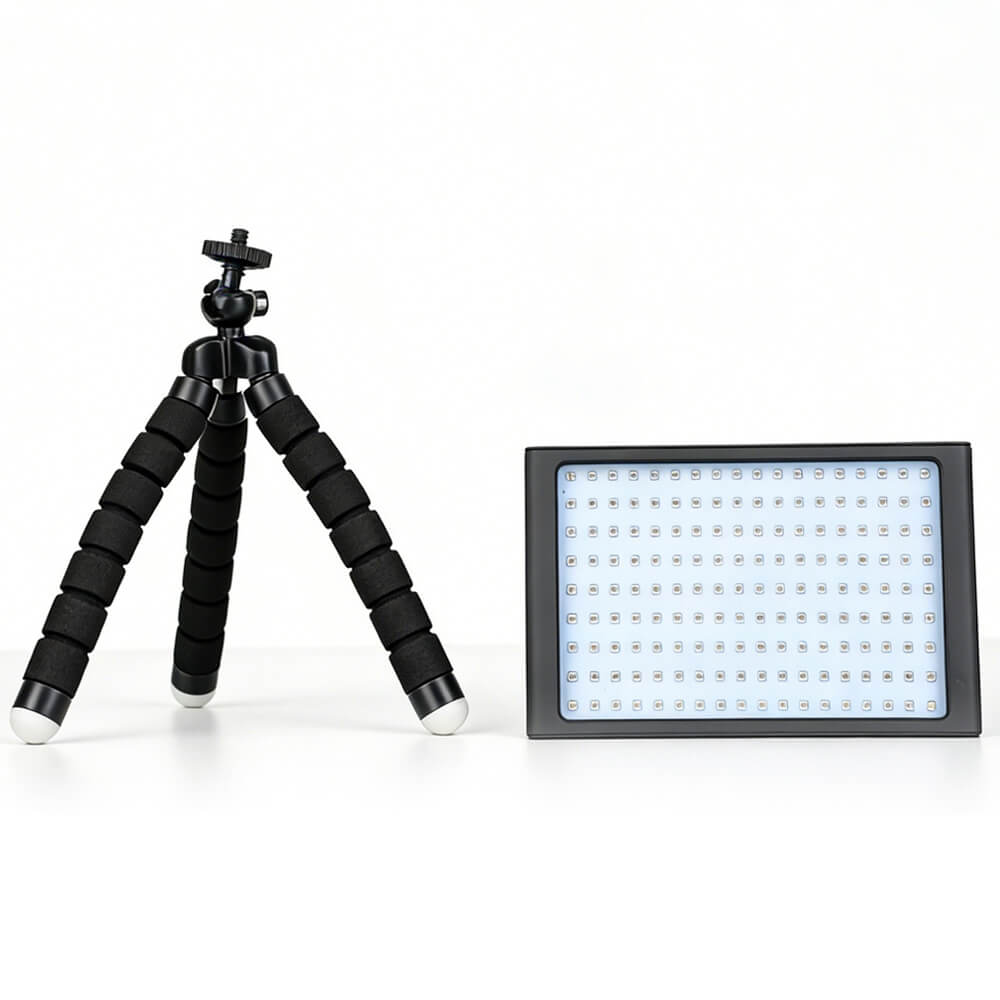
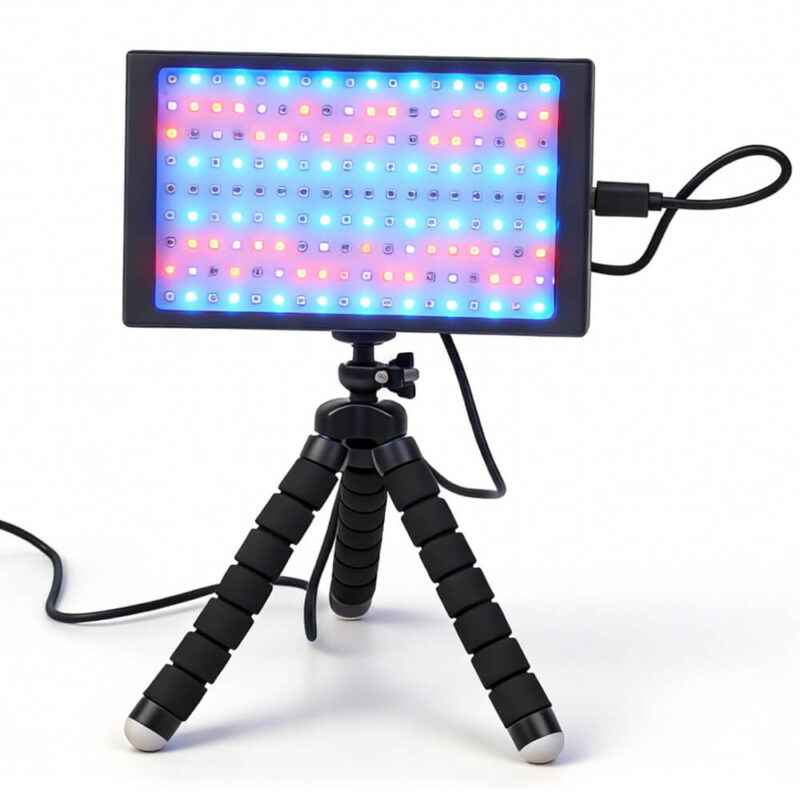
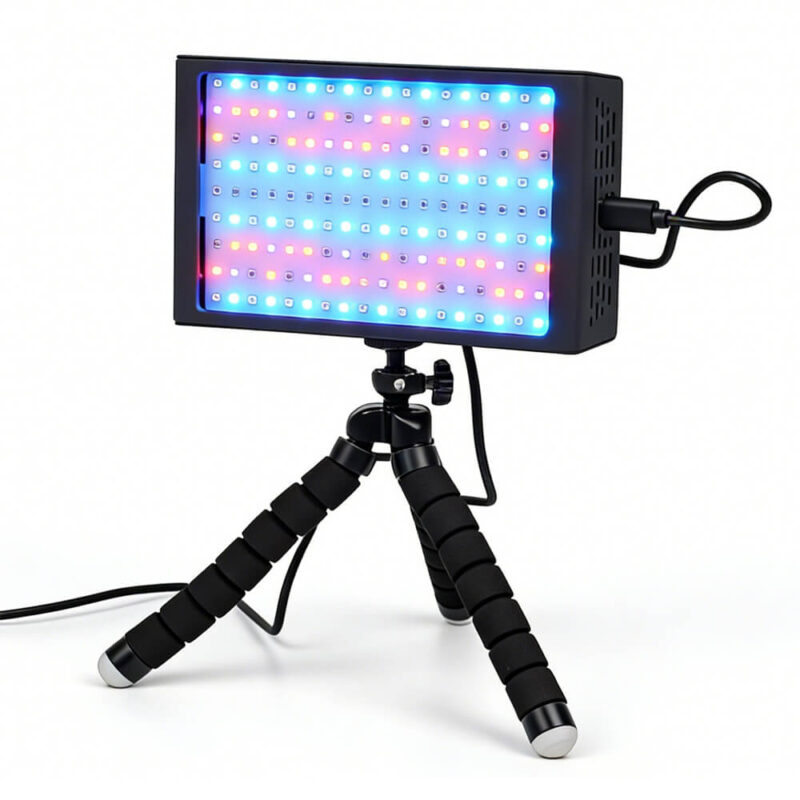
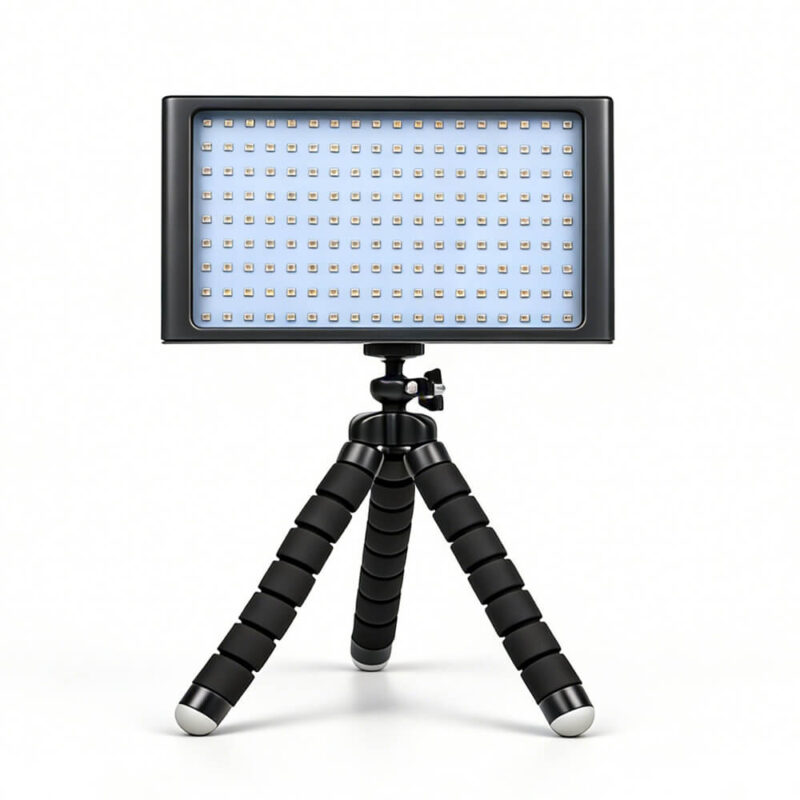
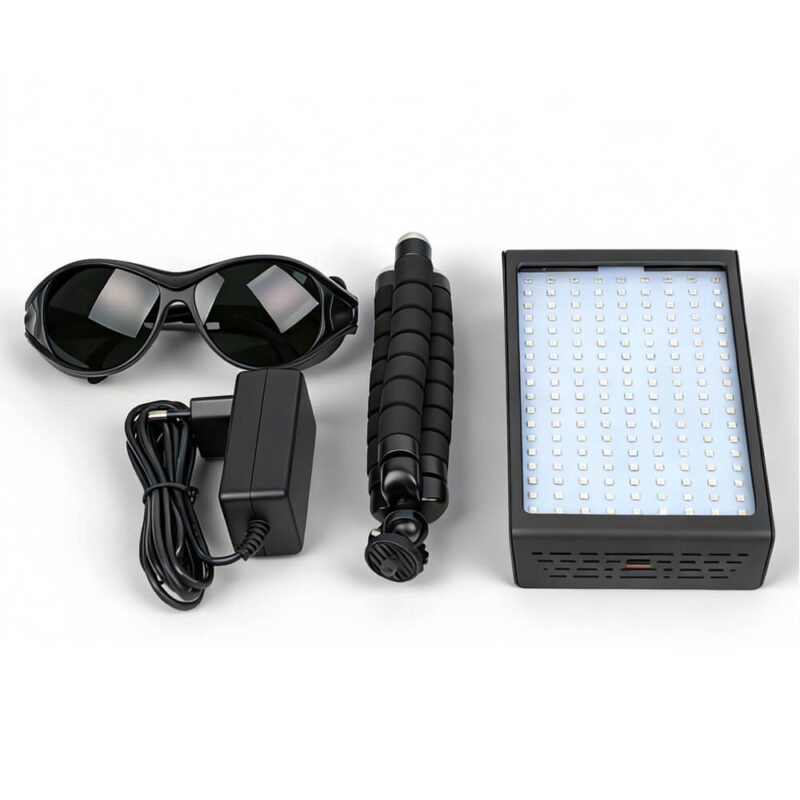
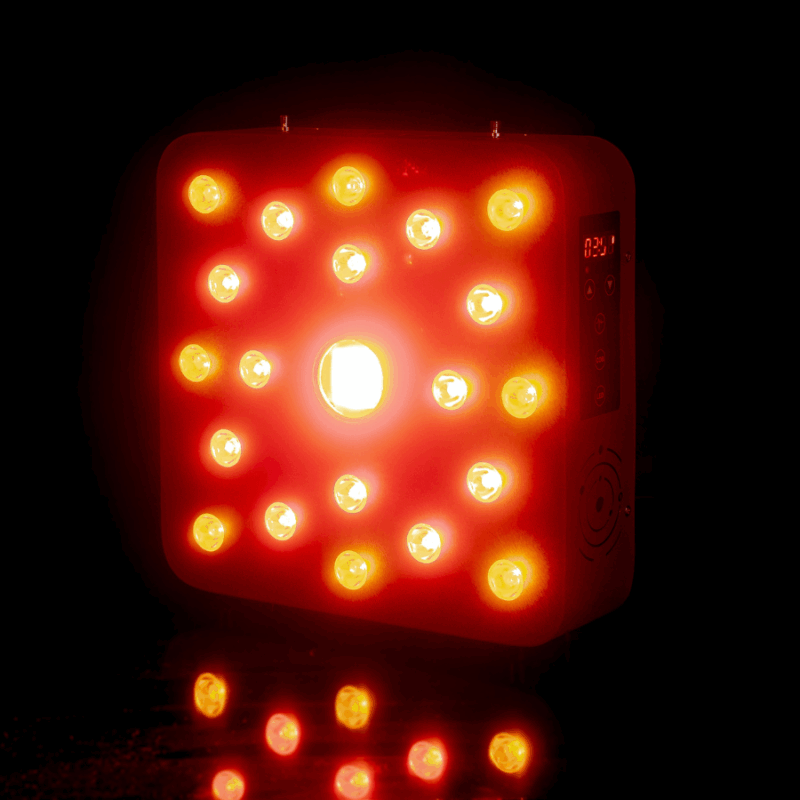
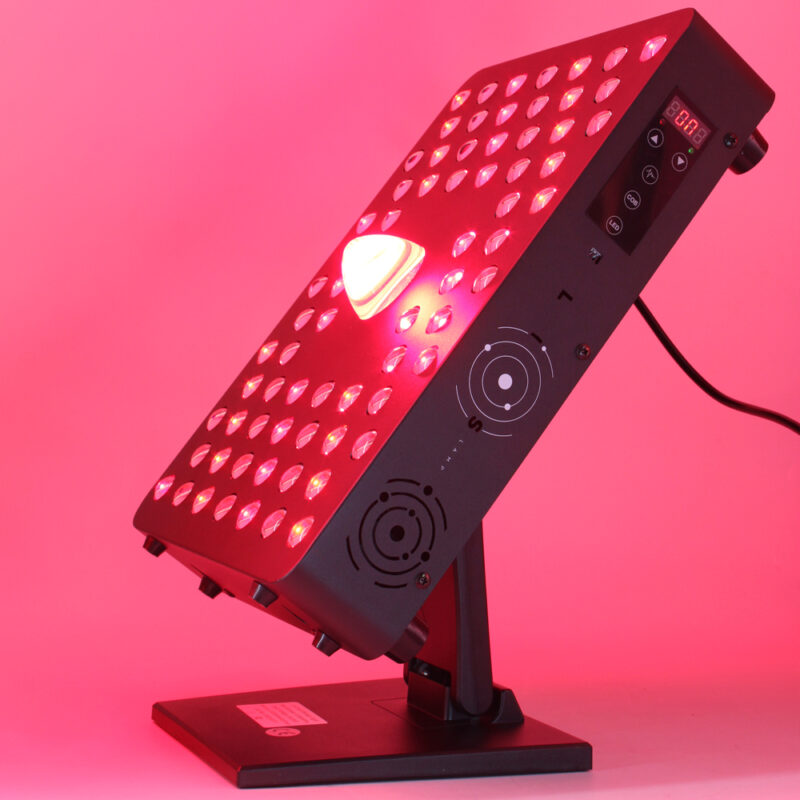
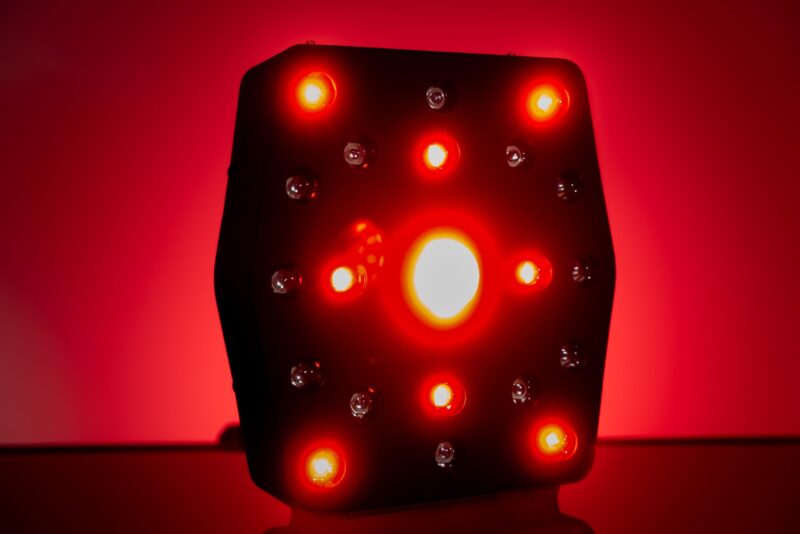
THEA is an 11 W full-spectrum desk lamp that covers a workspace of approximately 2 m² and brings a broad spectrum of light to your desk, from violet (380 nm) to near-infrared (1064 nm).
The integrated battery lasts approximately 2 hours, making THEA practical for travel or moving between different workspaces.
THE CONCEPT BEHIND THEA
THEA was not designed simply to replace a conventional lamp, but to complement its light spectrum – or the light emitted by a computer screen.
Every conventional LED produces a specific, technically limited spectrum. With a typical LED desk lamp, parts of the violet-blue-cyan range between 380 and 480 nm may be less pronounced than in natural light. Non-visual photoreceptors also respond to light in this range. Their primary function is not vision; instead, they are involved, among other things, in regulating our internal body clock and alertness.
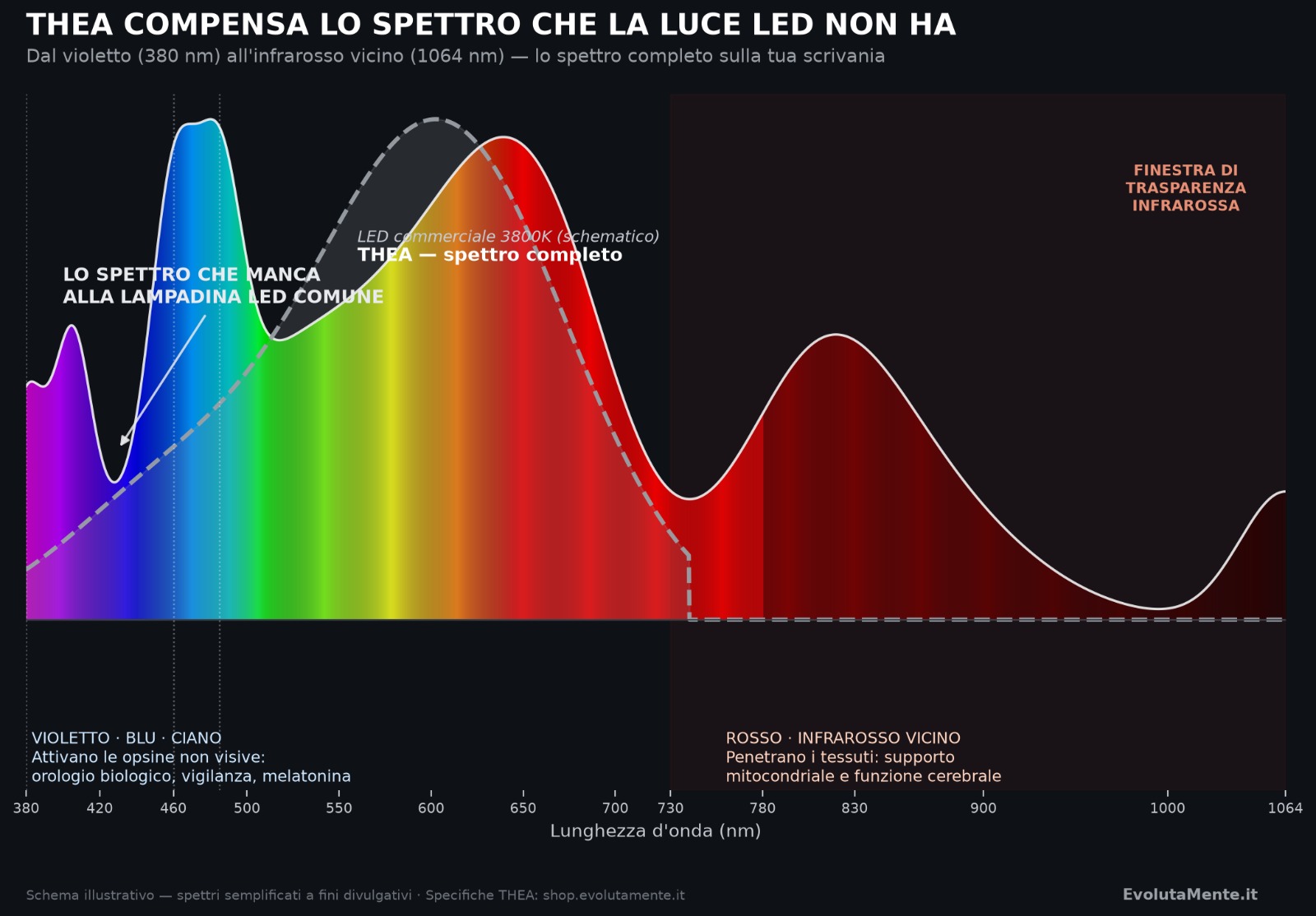
Transparency note: The spectrum graphic shown on this page was created with the help of artificial intelligence for illustrative purposes. The curves have been simplified for easier understanding and are intended to illustrate the differences between light spectra.
The near-infrared range is another way in which natural light differs from many conventional light sources. THEA therefore combines different wavelengths from 380 to 1064 nm in a single lamp.
The result: anyone working eight hours a day under such light receives an **incomplete signal**, repeated hour after hour, day after day. This is not merely a matter of comfort; it is the background noise your biological clock has to contend with every day.
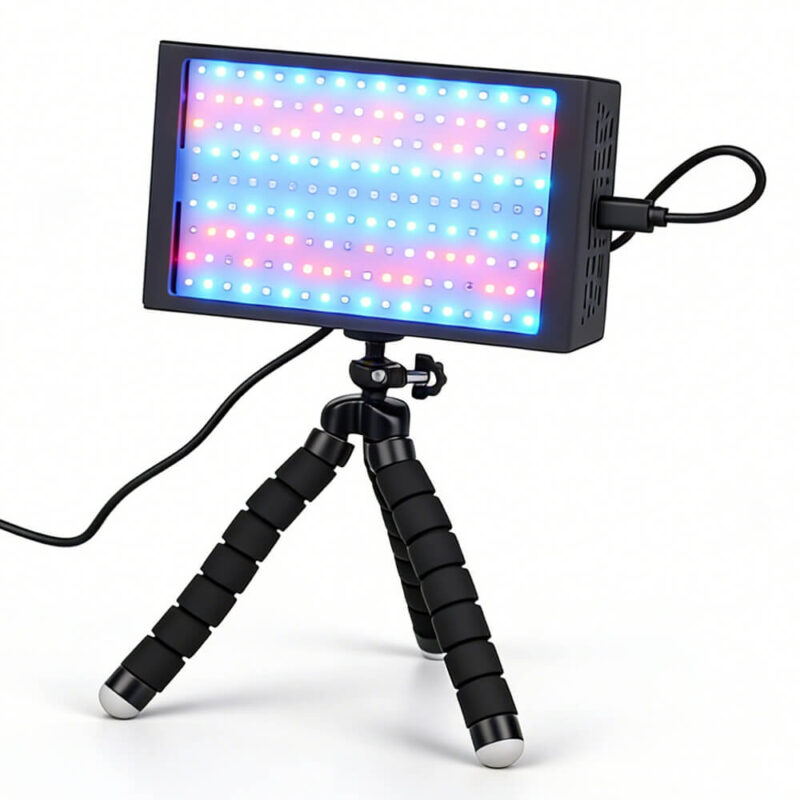
THEA was developed to bring different spectral ranges together in a single light source. With its three modes – Day, Evening and Boost – you can adapt the light to different times of day and situations.
THREE MODES.
THREE MOMENTS IN YOUR DAY.
DAY
Broad full spectrum
All LEDs are active – from violet to near-infrared. This mode combines THEA’s different wavelengths and is designed for daytime use. Use it from morning until sunset – for example, while working at your computer. The right light for your workspace – aligned with your daily rhythm.
EVENING
Amber and red light
In the evening, THEA uses warm wavelengths: yellow (590 nm), red (630–670 nm) and near-infrared (810–1064 nm). The reduced blue-light component creates a warm lighting environment for the evening hours. From sunset onwards, THEA can become the dominant light source in the room – ideal for reading, conversations or watching TV from a distance of at least 3 metres.
BOOST
40 Hz pulsed blue light
Boost mode uses blue, indigo and cyan wavelengths (380, 405 and 480 nm) pulsed at 40 Hz. It was developed for morning use and offers two ways to use it: 5 minutes at a distance of 15 cm with your eyes closed or 10–15 minutes at a distance of 30 cm, without looking directly at the lamp.
NOT A THERAPY PANEL.
A LAMP FOR EVERYDAY USE.
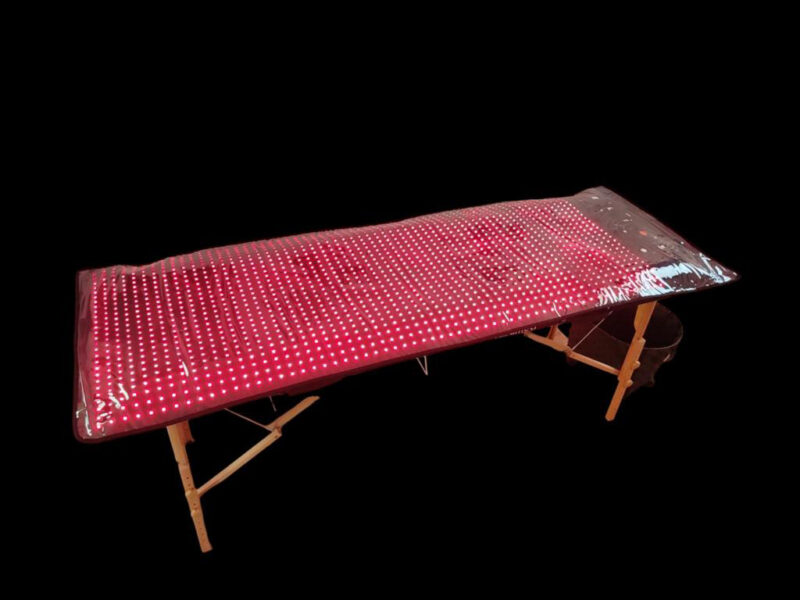
THEA takes a different approach from conventional photobiomodulation panels. Instead of short sessions at high intensity, THEA is designed as an everyday light source, with lower irradiance and a broad spectrum intended for longer periods of use. The concept: bringing different wavelengths of natural light into your everyday lighting environment.
THE PHILOSOPHY
THEA is not a substitute for a natural day-night rhythm. In the evening, Amber mode creates a warmer lighting environment with a reduced blue-light component. At the same time, it is still advisable to reduce bright light – particularly blue-rich light – as well as the use of electronic devices later in the evening. THEA can be used as a warm, dominant light source during the evening hours.
TECHNICAL SPECIFICATIONS
Download the THEA Manual (PDF)
THEA is not a medical device. The information provided on this product page is not a substitute for professional medical advice.
Reviews
There are no reviews yet.